Bubble Tea Trends (2025)
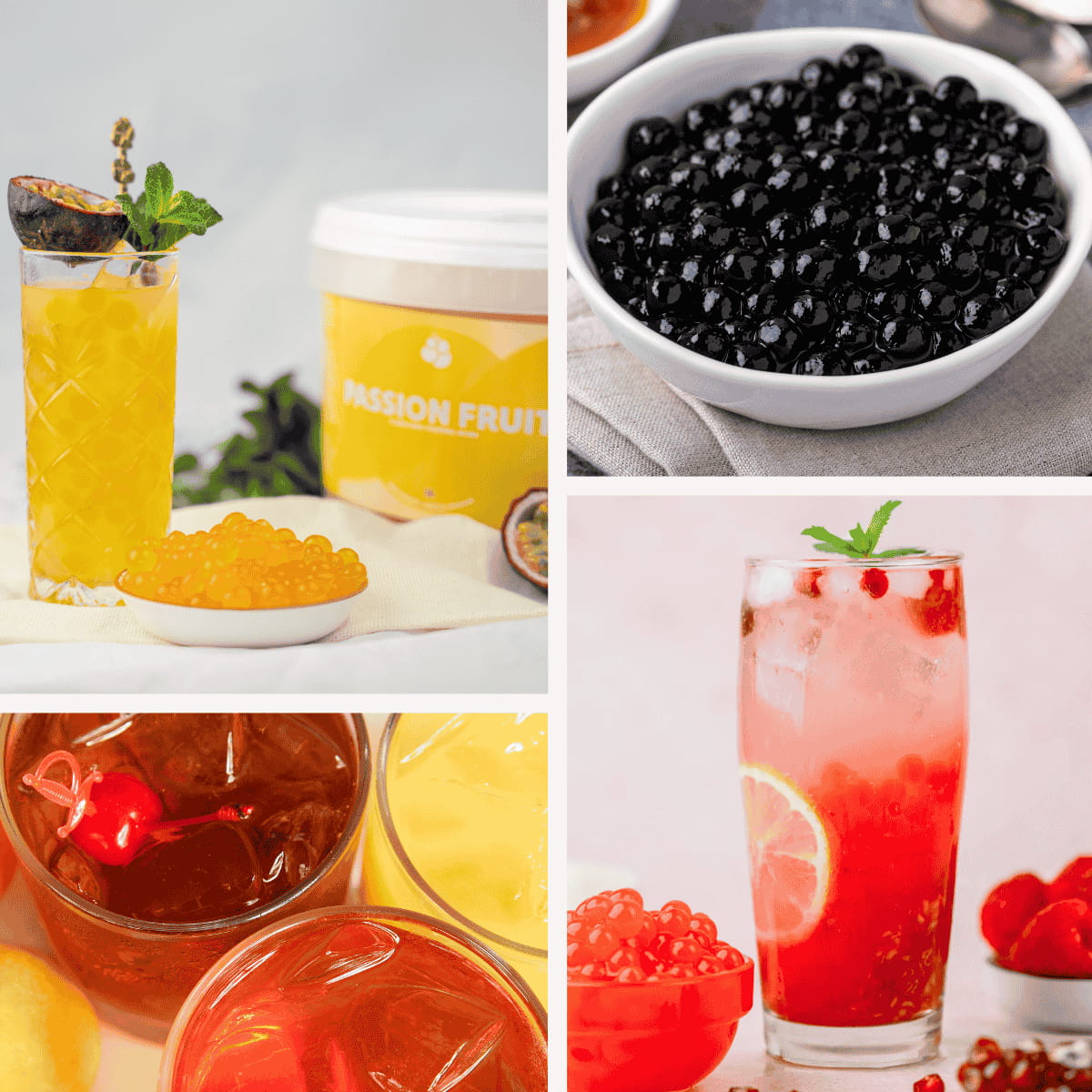
Bubble Tea Trends (2025): What’s Brewing in the EU Market?
Bubble tea used to be something you stumbled across in a niche café or while traveling in Asia. Fast forward to 2025, and you’re just as likely to find it in a shopping mall in Sweden, a food truck in Poland, or a theme park in Spain.
So, what’s behind this fizzy rise in popularity? And where is the European boba scene headed next? If you’re new to the industry or considering getting involved, you’re in good company — because bubble tea isn’t just having a moment anymore. It’s laying down roots.
Let’s unpack the trends shaping this quirky, colorful, and surprisingly adaptable drink across Europe in 2025.
The Boba Boom: EU Market Moves from Novelty to Necessity
Here’s the thing: bubble tea is no longer just that quirky drink with chewy pearls at the bottom. Across much of Europe, it’s becoming an everyday treat — one that’s surprisingly adaptable and increasingly mainstream.
Recent forecasts back it up: according to Persistence Market Research, the European bubble tea market is expected to grow from about €620 million in 2023 to roughly €1.08 billion by 2033 (converted from USD to EUR) — a steady climb with an anticipated CAGR of around 5.7% during the forecast period. Countries like Germany, France, and the Nordics continue to lead the charge, while Eastern European markets, including Poland, Hungary, and Romania, are emerging as new hotspots for boba demand.
What’s driving this shift? Part of it comes down to Gen Z and young millennials, who love beverages that feel fun, personal, and camera-ready for socials. But it’s more than just a novelty: bubble tea checks a lot of boxes — it’s customizable, playful, and, for many, feels like a lighter alternative to heavier dessert drinks. Even in smaller towns and rural areas, you’ll spot bubble tea bars popping up where only classic cafés once stood.

And you know what? It’s not just bubble tea shops leading the charge. Cafés, juice bars, fitness studios, and even fast-casual restaurants are starting to include boba-style drinks on their menus.
Flavors Are Going Hyper-Local (and Surprisingly Bold)
2025 is turning out to be the year flavor gets personal. Gone are the days when “mango or strawberry?” was the full range of choices.
Across Europe, menus are shifting to include locally inspired flavors — think elderflower green tea in Scandinavia, blood orange black tea in Italy, or sea buckthorn popping boba in the Baltics. These aren’t just gimmicks. They’re a response to consumer desire for more meaningful, regionalized food experiences.
Here’s something unexpected: savory notes are creeping in too. Yep — teas infused with herbs like basil, rosemary, or even chili are catching on with adventurous drinkers. The lines between drink and culinary experiment are blurring in the best way.
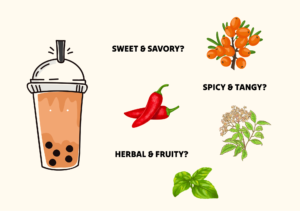
And of course, visual appeal still matters. Swirls of color, edible glitter, and layered gradients are everywhere — but brands are finally learning that taste needs to match the hype. It’s no longer enough to just look good in a Boomerang. Repeat customers want flavor that delivers.
Health-Conscious… Without Killing the Fun
Let’s be real. Bubble tea isn’t health food — and that’s okay. But in 2025, customers are definitely nudging the category in a healthier direction.
Lower sugar options, non-dairy bases, and “functional” add-ons (like collagen, probiotics, or adaptogens) are becoming more common. Plant-based milk alternatives are now the default in many EU shops, not just an afterthought.
And then there’s the question of ingredients. More consumers are checking labels, asking about sourcing, and seeking out natural colorings and real fruit juice. The term “clean label” comes up a lot — even if its definition varies depending on who you ask.
Still, it’s a balancing act. Bubble tea without some sweetness can fall flat. The trick is offering flexibility without stripping away the fun — and that’s where smart operators are finding their edge.
The Rise (and Rise) of Popping Boba
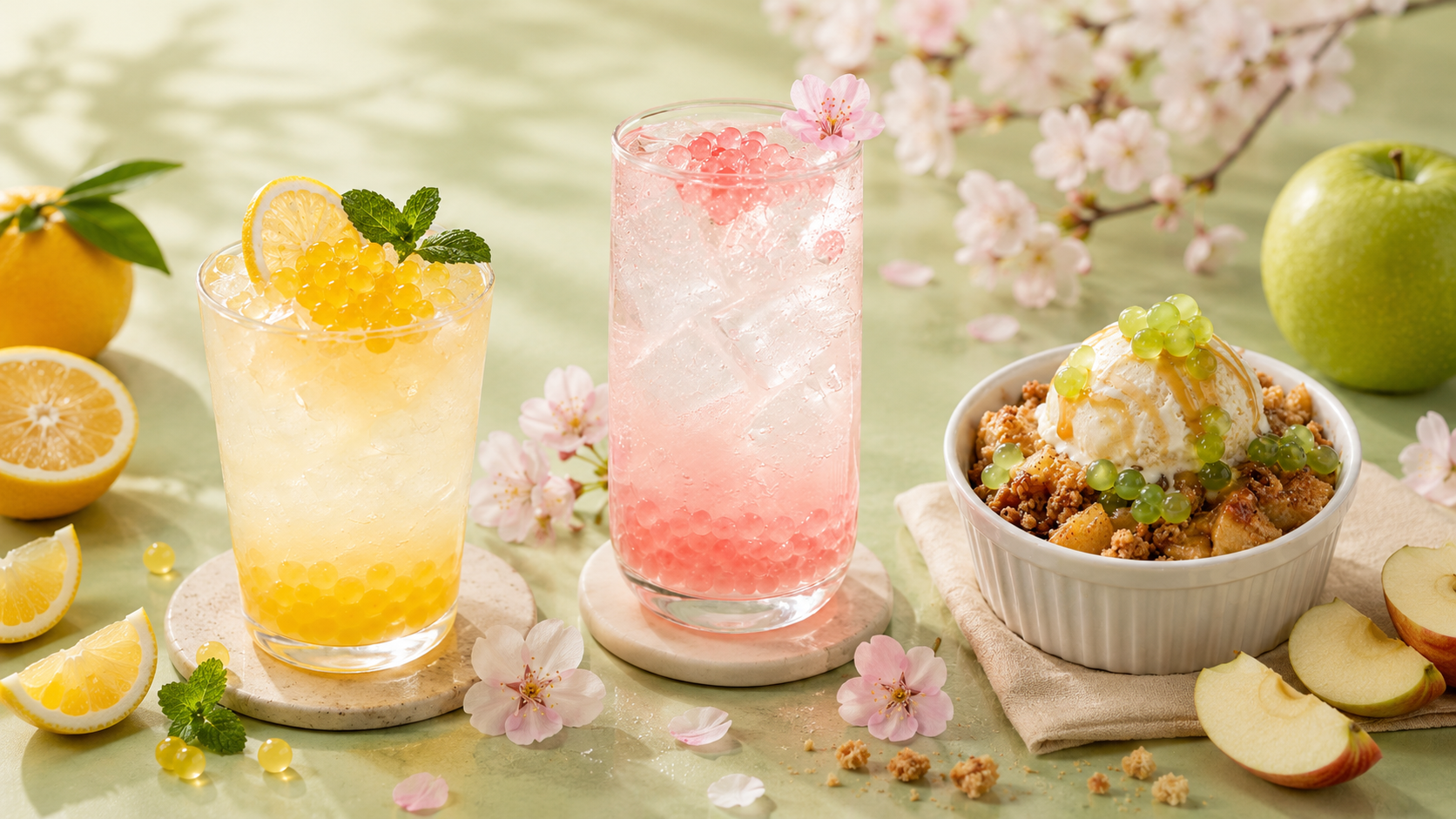
If there’s one topping that’s stealing the spotlight in Europe, it’s popping boba — those juicy, liquid-filled spheres that burst in your mouth like little fruit bombs.

Compared to traditional tapioca pearls, popping boba has a lighter, fruitier vibe that seems to resonate more with European palates. It’s also easier to work with and has a longer shelf life, making it ideal for businesses just entering the space.
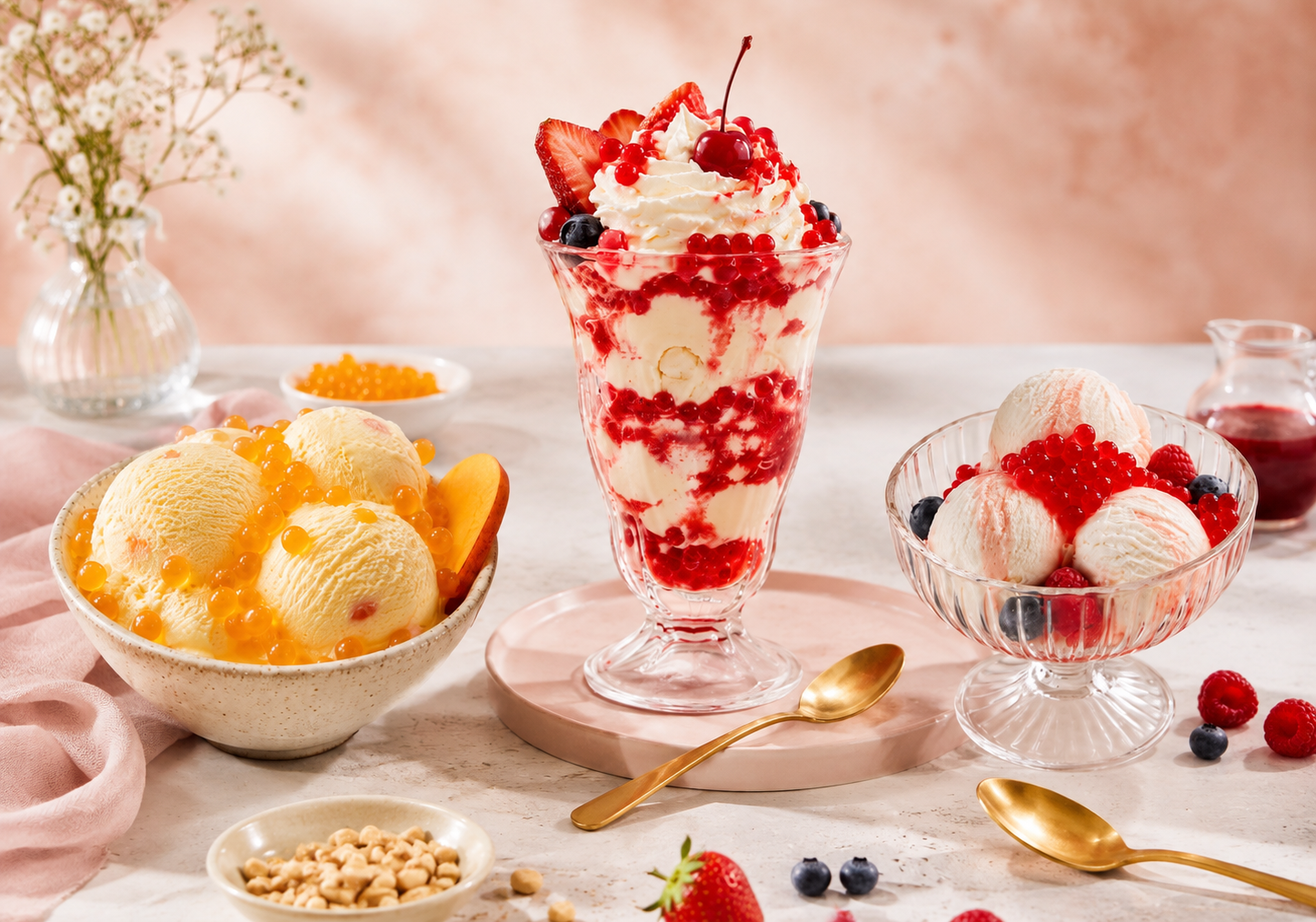
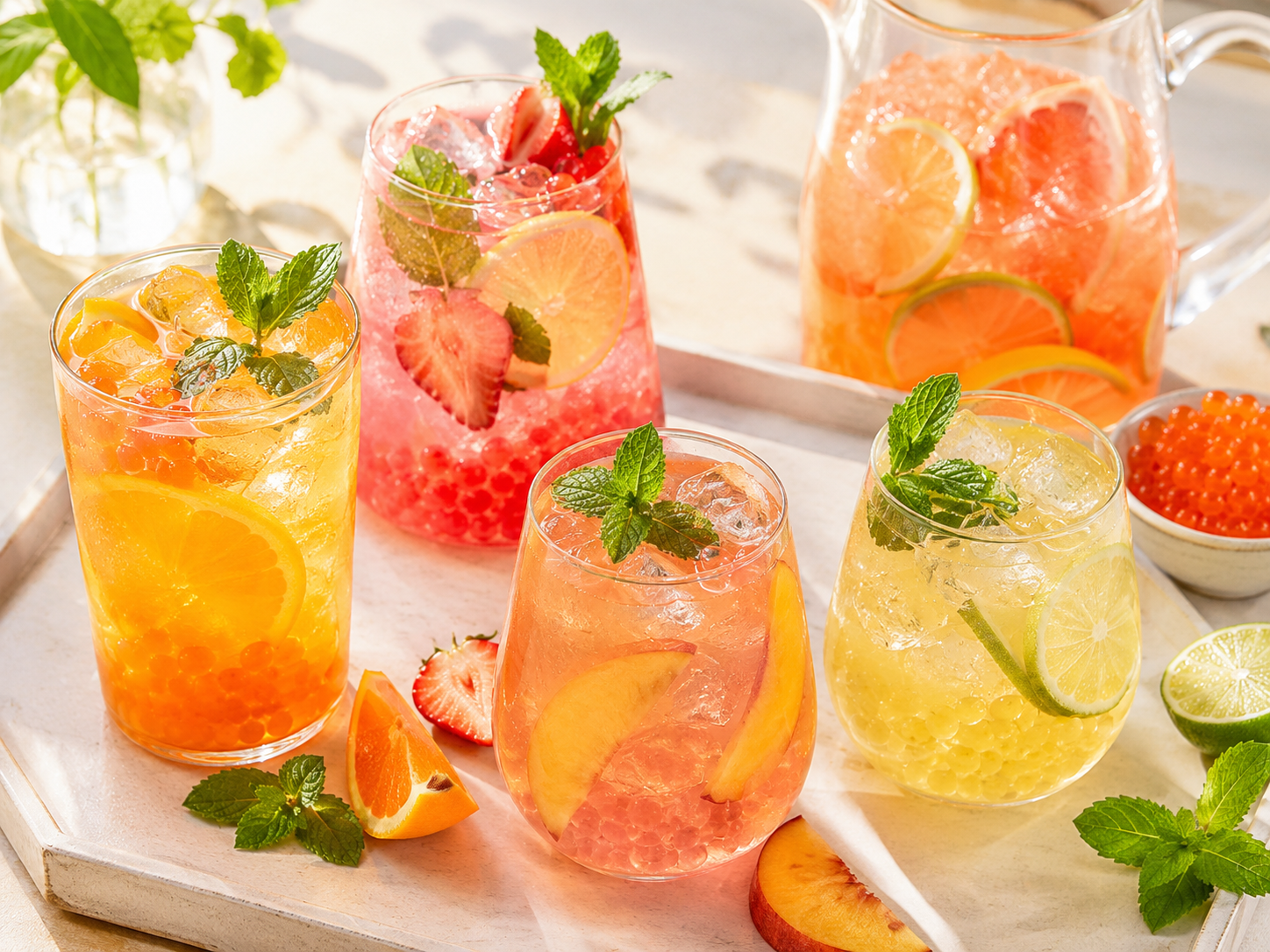
You’ll now find it in everything from milk teas and smoothies to cocktails and frozen yogurts. Even hotels and amusement parks are jumping on board — often using popping boba to bring novelty to classic offerings.
In fact, it’s not just about flavor anymore. Texture has become part of the branding. Consumers are asking, “Is it chewy, crunchy, soft, or popping?” That tactile curiosity is influencing menus more than ever.
Smart Tech, Small Shops: How Automation is Leveling the Playing Field
Don’t underestimate the impact of technology on this trend-heavy category.
In 2025, automated tea brewers, portioning tools, and digital POS systems are making it easier for small operators to maintain consistency and reduce waste.
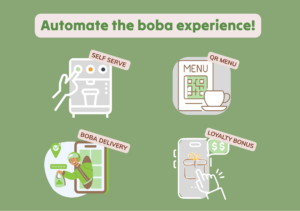
You’ll also see:
-
Self-serve boba bars in university towns
-
QR-code menus with real-time customization
-
App integrations for loyalty points and flavor recommendations
Even delivery apps are adapting — with bubble tea chains partnering with platforms like Wolt, Uber Eats, and Glovo for smoother cold-drink handling. The result? A better experience for customers and shop owners.
Sustainability’s No Longer Just a Nice-to-Have
It used to be enough to offer paper straws and call it a day. Not anymore.
European consumers are asking tougher questions:
-
Where are these ingredients sourced?
-
Is the packaging compostable or just “greenwashed”?
-
Are the toppings made locally or shipped from across the world?

Some brands are answering with fully home-compostable cups, domestic production, or zero-waste initiatives — and it’s paying off. In countries like Denmark and the Netherlands, environmental transparency can actually drive loyalty.
So, if you’re entering the boba market in 2025, thinking about sustainability early can give you a major head start. It’s not just ethical; it’s good business.
What’s Around the Corner? (Spoiler: It’s Not Just Drinks)
Looking ahead, the bubble tea space in Europe is widening in scope.
Expect to see:
-
Boba-inspired desserts — think mochi with popping boba or boba-filled waffles
-
Bubble tea cocktails and mocktails, especially in summer festivals
-
Cross-border expansion from local favorites in Germany, Sweden, and Poland
-
More boba collaborations in unexpected places: cinemas, bookstores, even fashion pop-ups
Some operators are even experimenting with seasonal rotations, offering limited-edition drinks tied to regional holidays or festivals — a smart way to keep things fresh and create urgency.
Final Thoughts: Why Bubble Tea Is Growing Up in 2025
Bubble tea might still seem playful, but the market around it is maturing fast. In 2025, EU bubble tea trends aren’t just about wild flavors or flashy cups — they’re about smarter operations, more mindful options for those who want them, and a closer connection to what consumers actually care about.
It’s still fun, it’s still sweet — but operators are finding ways to balance indulgence with transparency and better choices. From lighter sugar levels to plant-based milk swaps and clearer ingredient sourcing, it’s becoming less about gimmicks and more about giving people something they’ll come back for again and again.
So, whether you’re new to the boba scene or thinking of expanding your bubble tea concept, 2025 is a good time to lean in, experiment, and grow alongside a market that’s showing no signs of slowing down.