How is Bubble Tea Made?

How Is Bubble Tea Made? A Practical Guide to the Bubble Tea Process
Bubble tea is everywhere these days — from corner shops in Copenhagen to cafés in Madrid and even food trucks in Stockholm. But for anyone new to the game, there’s often one big question that bubbles up: How do you actually make bubble tea?
 Is it just tea with some chewy balls thrown in? What’s with all the syrups and seals and giant straws?
Whether you’re a professional considering adding bubble tea to your menu, or you’re just bubble-curious, this article walks you through the bubble tea preparation process step-by-step — minus the fluff and confusion.
First Things First: What Counts as “Bubble Tea”?
Let’s start with the basics.
Bubble tea (also called boba tea) is a cold, flavored tea drink that usually includes a topping like tapioca pearls or popping boba — little balls that burst in your mouth with fruity juice. While it started in Taiwan in the 1980s, bubble tea has become a global phenomenon, spawning endless variations.
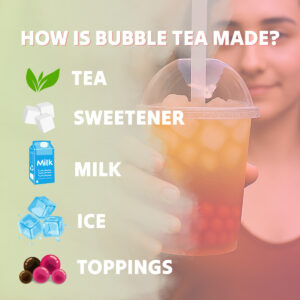
There’s no one right recipe, but nearly all bubble teas follow this structure:
-
A tea base (usually black or green)
-
Sweetener or flavored syrup
-
Milk or fruit juice
-
Toppings (tapioca pearls, popping boba, jellies, etc.)
-
Ice and a good shake to bring it all together
The result? A cold, refreshing, and totally customizable drink.
Step 1: Brewing the Tea Base
Most bubble tea shops use one of three tea types:
-
Black tea – bold and classic
-
Green tea – lighter, slightly grassy
-
Oolong or jasmine – floral or toasty undertones
Some shops brew fresh every few hours; others use pre-brewed concentrates. Either way, strong tea is key because it has to stand up to milk, syrups, and ice without losing its flavor.
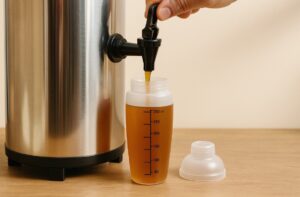
In a commercial setup, tea is brewed in large urns and kept warm or chilled, depending on demand. For home use, a French press or regular teapot will do — just double the strength you’d normally drink.
Step 2: Adding Sweeteners or Flavored Syrups
Now we get to the flavor.
Most shops use:
-
Fructose syrup (a neutral sweetener)
-
Brown sugar syrup (especially with tapioca pearls)
-
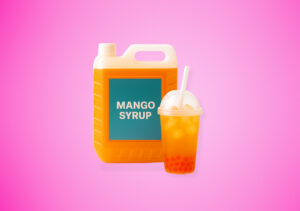
Fruit syrups (like mango, lychee, or passionfruit)
For fruit bubble teas, the syrup is the main flavor — often paired with green tea or even just water and ice. Some cafés even use purées or juice concentrates for a more natural taste.
Quick note for professionals: Most chains calibrate exact syrup-to-tea ratios to control sweetness across locations. If you’re crafting a menu, you’ll want to find your “house standard” — then train staff to stick to it.
Step 3: Milk or No Milk?
Milk tea or fruit tea — choose your fighter.
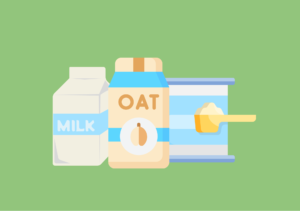
For milk teas, the options are surprisingly wide:
-
Dairy milk (whole milk or evaporated)
-
Non-dairy creamers (popular for shelf-stability)
-
Oat, almond, or soy (for plant-based menus)
Milk teas tend to work best with black or oolong bases. Meanwhile, fruit teas usually skip milk altogether — too much risk of curdling. But if you really want a mango milk tea? You do you. Just test first.
Step 4: Adding the Pearls — the Star of the Show
This is where bubble tea gets its name.
Most people think of the classic black tapioca pearls — soft and chewy with a hint of caramel. They’re made from cassava starch and need to be boiled fresh (typically 25–45 minutes), then soaked in syrup to stay soft.
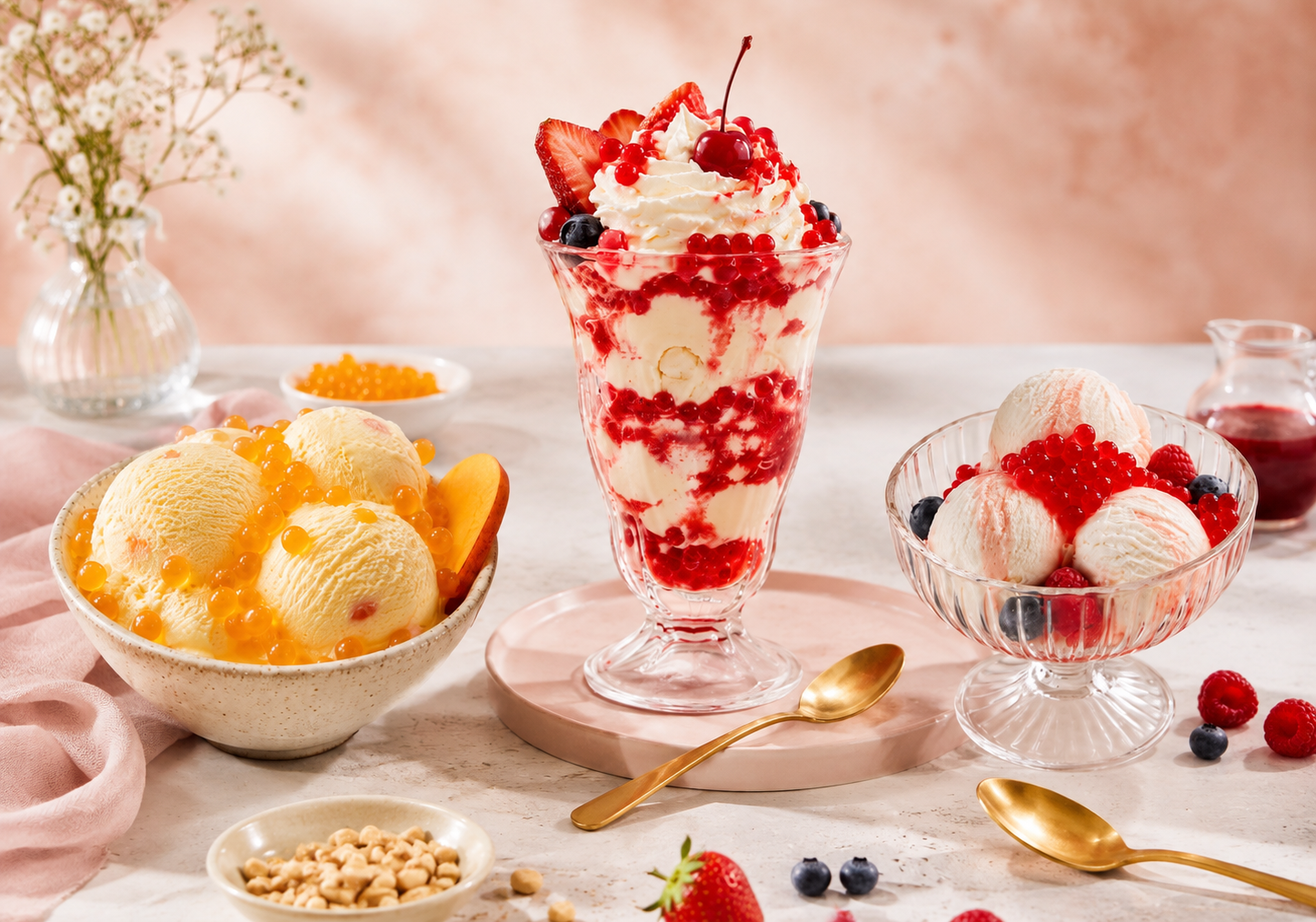
But there’s also popping boba, which has been rising fast — especially in frozen yogurt shops and summer drinks.
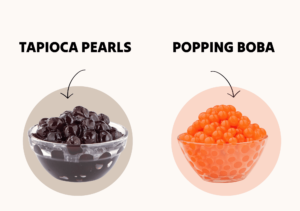
Popping boba is:
-
Made using a thin seaweed-derived shell (alginate)
-
Pre-made and stored in syrup (no cooking needed)
-
Filled with flavored juice (up to 40% fruit-based)
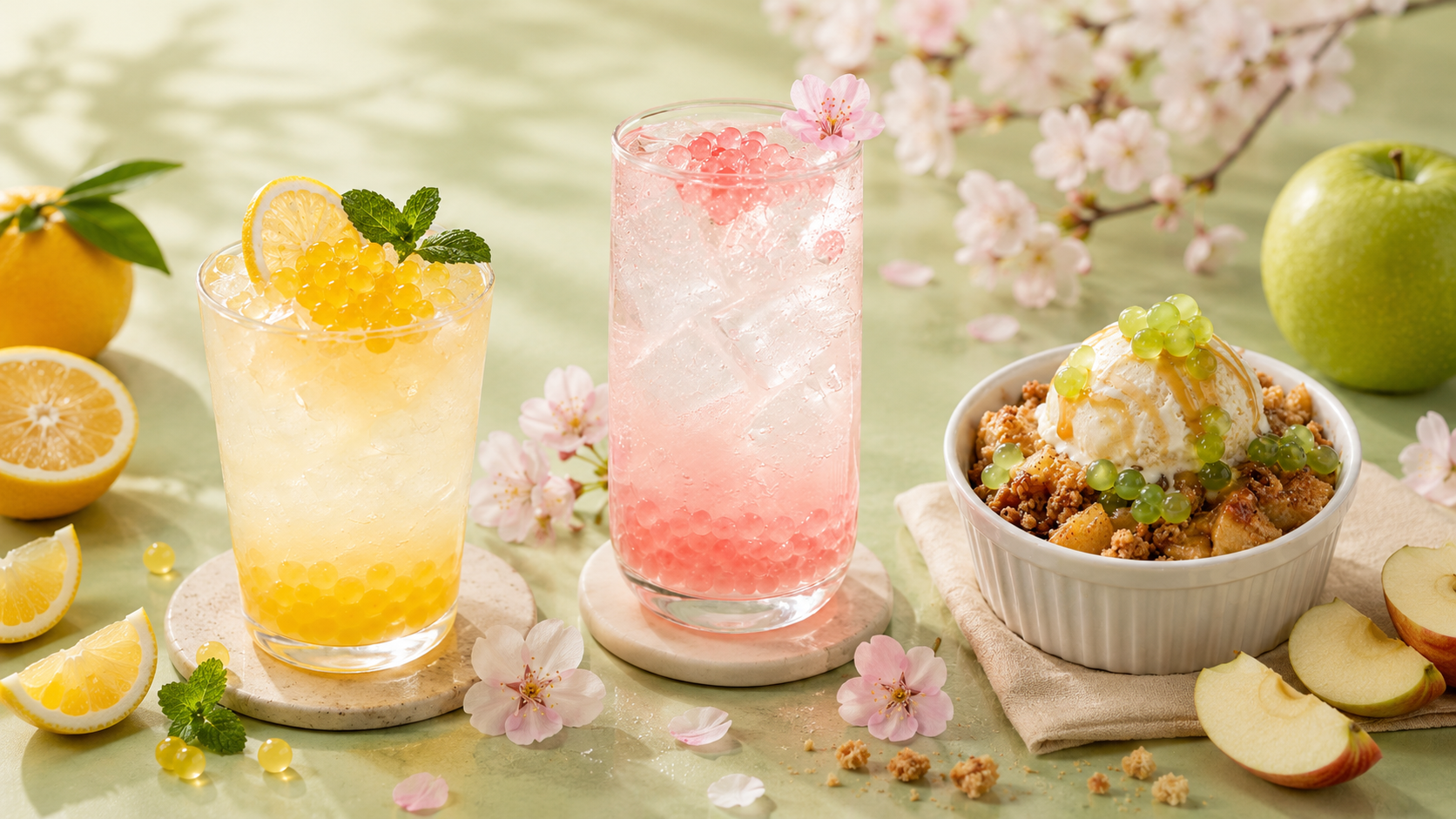
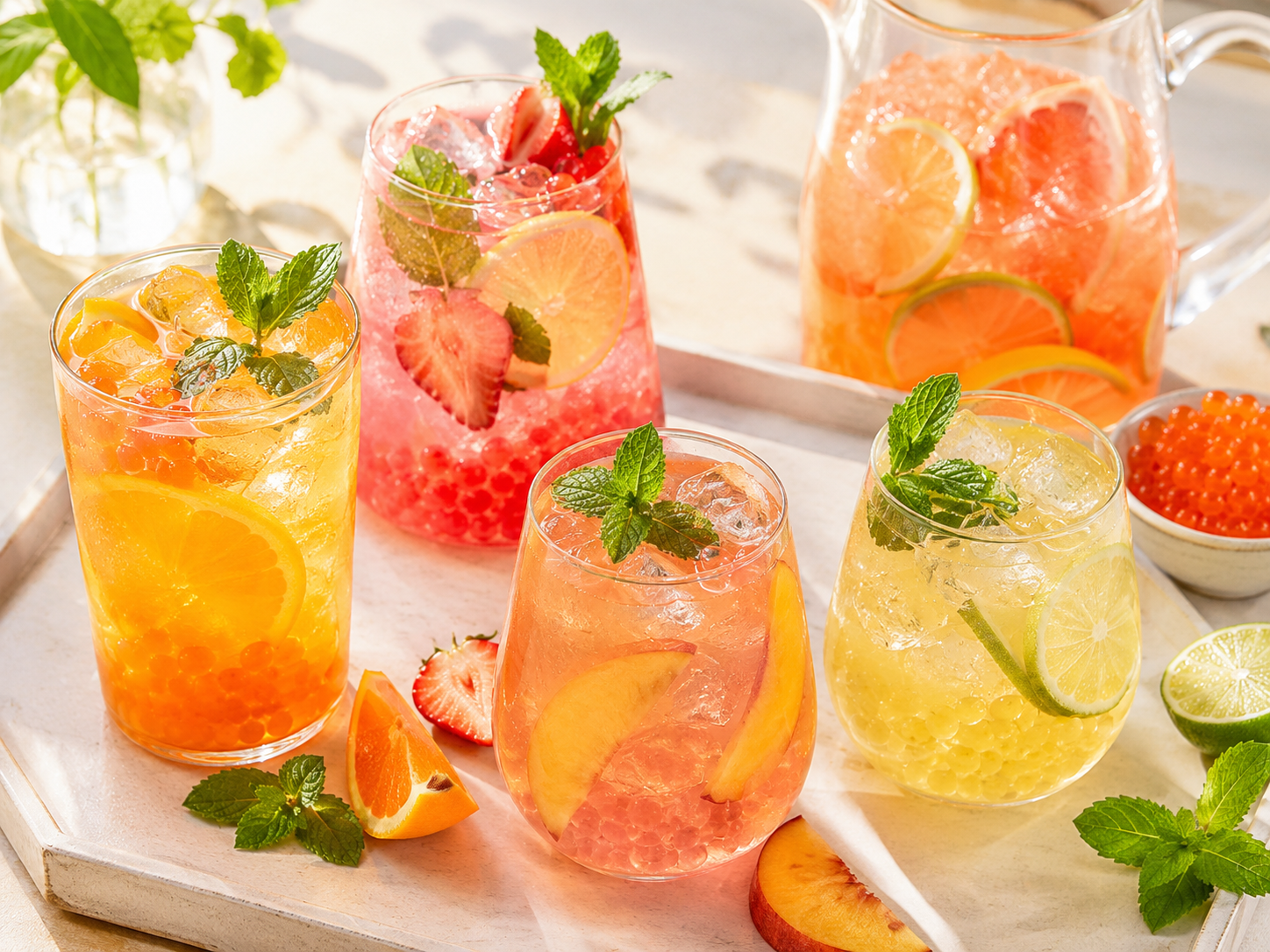
They’re shelf-stable, bright-colored, and wildly popular with kids and teens. (Fun fact: Some cafés use them in lemonade or soda — no tea at all.)
Want to make your process faster and cut prep time? Popping boba can help you skip the stove entirely.
Step 5: Assembly — There Is a Right Order
If you’re building your bubble tea properly, the order matters:
-
Syrup/sweetener goes in first
-
Add pearls or popping boba
-
Pour in the tea base
-
Add milk or juice
-
Toss in ice
-
Shake or stir until well mixed
In a café, this is done with cocktail shakers or even automated machines. Some drinks are sealed with a plastic film using a heat sealer (for that classic peel-back experience), while others go in domed takeaway cups.
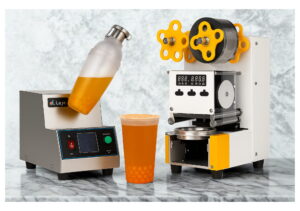
Want to serve layered bubble teas for aesthetic appeal? Add ingredients gently and skip the shake — just give the customer a wide straw and let them mix it.
Step 6: Tools You’ll Need (And What You Can Skip)
For a small shop or startup, you don’t need an industrial setup. But here’s what helps:
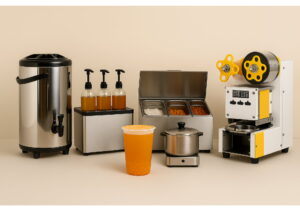
Essential for Professional Use:
-
Tea brewers (large-batch or urn style)
-
Syrup dispensers or pumps
-
Topping containers with refrigeration
-
Pearl cooker or warmer (if using tapioca)
-
Sealing machine (optional but adds a premium touch)
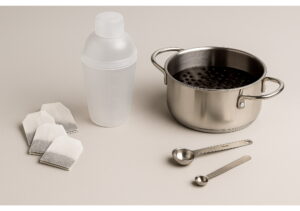
For Home or Testing:
-
Tea bags or loose-leaf infuser
-
Cocktail shaker or mason jar with lid
-
Pot to cook pearls (if using tapioca)
-
Measuring spoons or a kitchen scale
Honestly, the most important “tool” is consistency. Customers will notice if your drink tastes wildly different each time — especially regulars.
Step 7: Bubble Tea Prep in a Commercial Setting
Let’s talk operations.
If you’re managing multiple staff or locations, standardization matters. Chain cafés often use POS-linked recipe systems to control:
-
Sweetness level (0%, 50%, 75%, 100%)
-
Ice level
-
Topping quantities (usually measured by weight or volume)
Tapioca pearls should be discarded after a few hours to prevent hardening. Popping boba lasts longer (up to several months if unopened) but still needs proper hygiene.
Step 8: Hygiene and Food Safety — Can’t Skip This Part
Bubble tea is fun — but it’s still food service. That means hygiene rules apply.
In Europe, that means HACCP compliance, daily prep logs, allergen labeling, and cleaning protocols. Especially when you’re dealing with toppings that can sit out for hours.
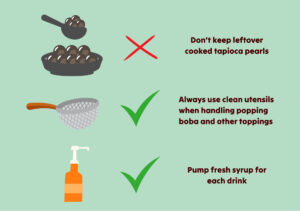
A few quick reminders:
-
Cooked tapioca should never be left overnight
-
Popping boba should always be served with clean utensils
-
Pump fresh syrup when you make the drink, mix it right away, and avoid using syrup that’s been sitting around already mixed or waiting in a cup.
You know what happens when pearls sit too long? They turn into little rocks. That’s not the texture anyone signed up for.
Wrapping Up: It’s Not Rocket Science, But It Is a Craft
So, how do you make bubble tea?
Well, you start with strong tea, layer in your flavors, add your milk (or not), toss in some fun toppings, and shake it all together. That’s the simple version.
But doing it well — consistently, safely, and creatively — takes some care.
If you’re a frozen yogurt shop, café, or QSR brand looking to offer something new, bubble tea could be the crowd-pleasing addition you didn’t know you needed. And the prep? Easier than you think, once you’ve got your system down.

Just don’t forget the wide straws.