Everything You Need to Know About Popping Boba

So, What Is Popping Boba Anyway?
Alright, let’s clear up the mystery right away.
You’ve probably seen those colorful, jewel-like pearls floating in bubble tea — sometimes they’re chewy, sometimes they burst. Well, popping boba is the kind that literally pops in your mouth, releasing a splash of flavored juice. It’s like a tiny, edible water balloon, but way tastier and a lot less messy.
Popping boba — sometimes called “bursting boba” — first rode the bubble tea wave out of Taiwan in the 1980s and 90s. Back then, tapioca pearls reigned supreme. They’re chewy, dark, and slightly earthy in taste — think of them as the OG bubble tea topping. But somewhere along the way, food scientists, tea shops, and adventurous dessert makers said, “Wait, what if these pearls did something more?”
Cue the invention of popping boba. Instead of chewy starch balls, you get a thin, gel-like membrane holding a flavoured liquid. Bite down, and you get that quick burst of sweetness. It’s a sensory surprise — playful, refreshing, and wildly popular with kids and adults alike.
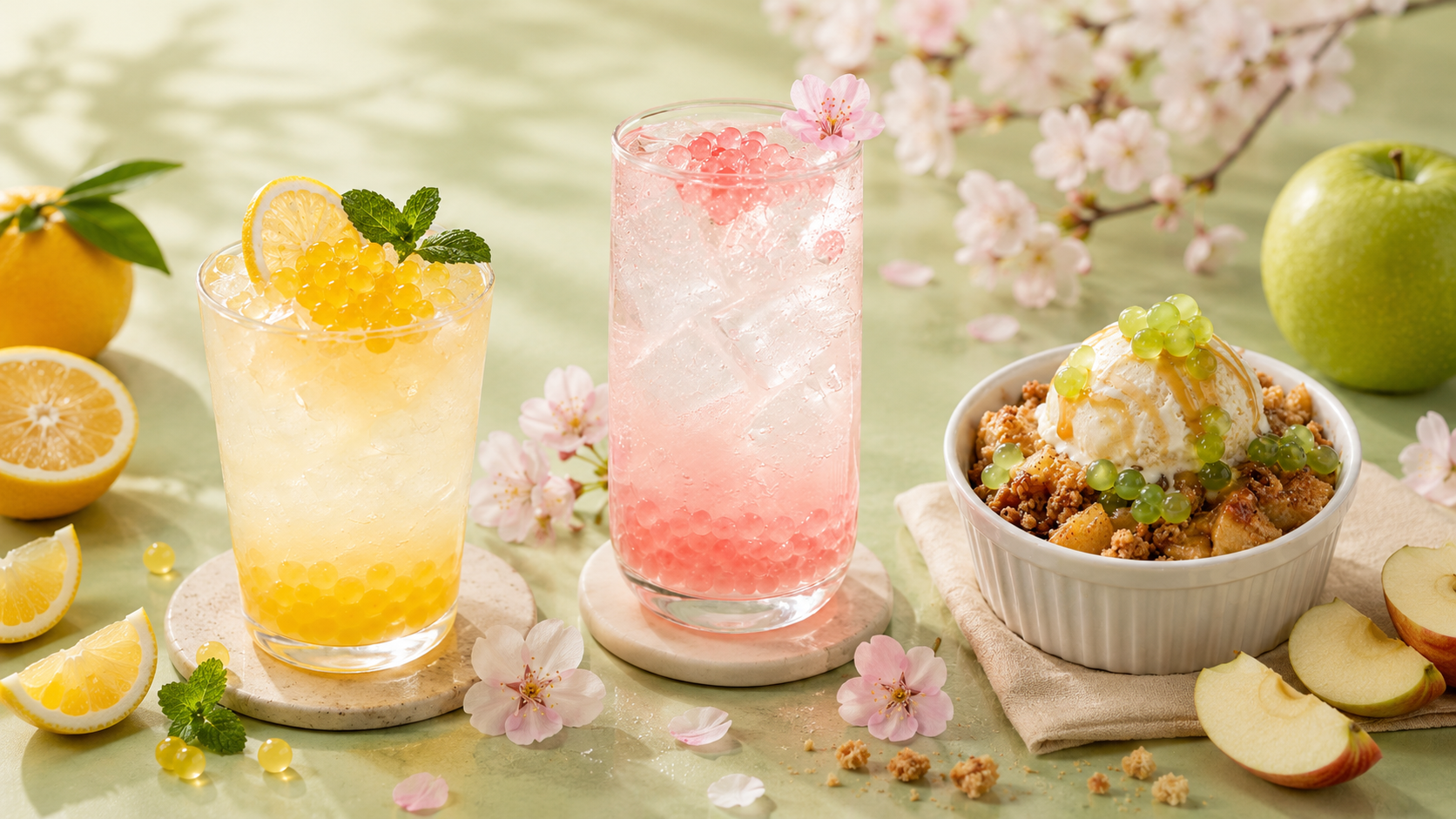
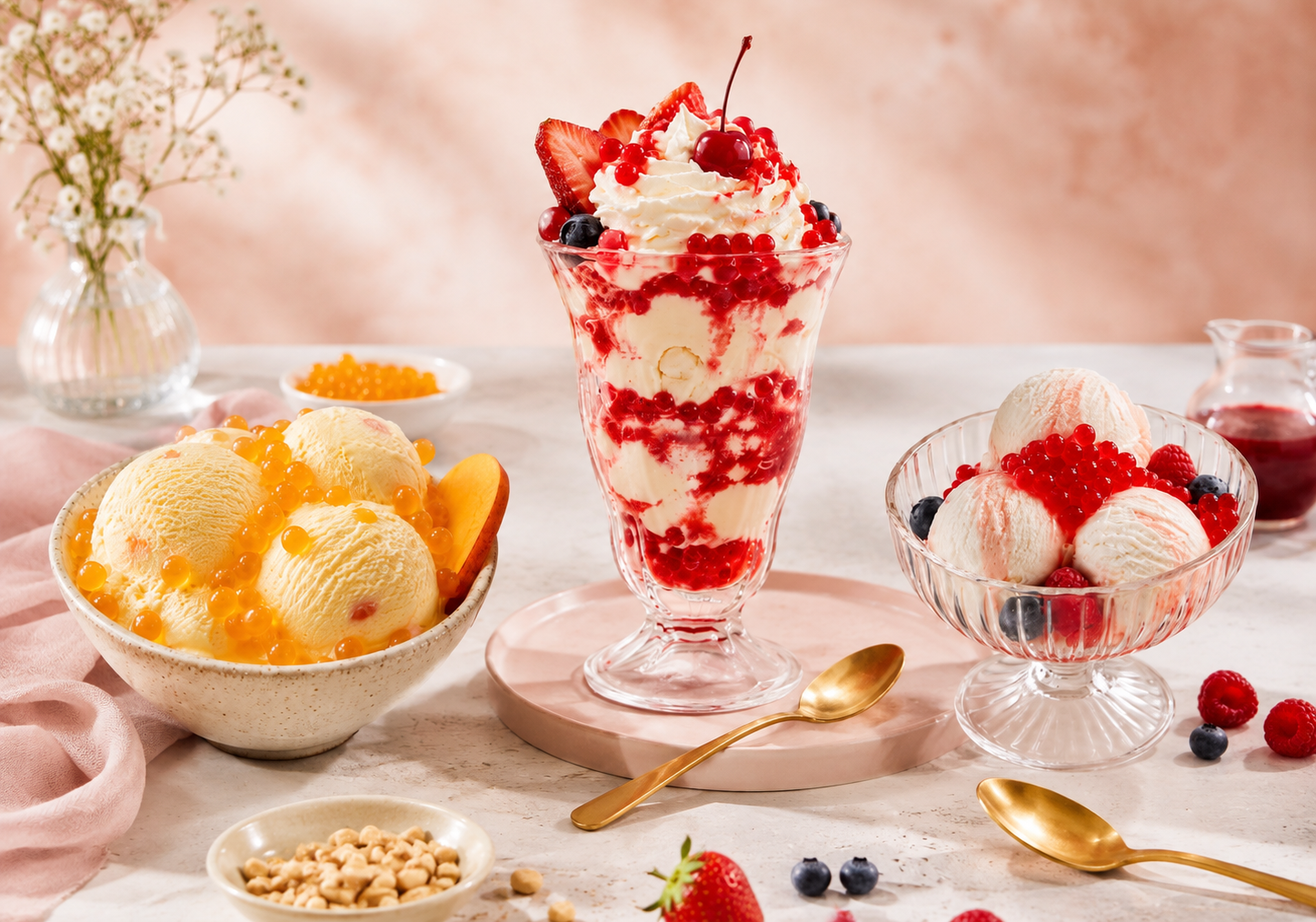
These days, you’ll find popping boba everywhere: not just bubble tea shops but frozen yogurt bars, ice cream parlors, fancy plated desserts, even cocktail bars trying to add a pop of fun. Some cafés stock multiple flavors so customers can customize their drinks — or mix and match for something totally unique.
How Popping Boba Works: That Satisfying Pop
Let’s get a bit geeky for a second — trust me, it’s worth it.
Popping boba’s signature “pop” comes from a process called spherification. It’s a culinary technique that started in the molecular gastronomy world, which basically means chefs tinkering with food science to surprise your taste buds.
Here’s the gist: a flavored liquid (like mango, strawberry, or lychee) is mixed with sodium alginate, which is derived from seaweed. Then, droplets of this mix are carefully dropped into a calcium bath. Chemistry magic happens — the calcium ions react with the alginate to form a thin, flexible membrane around the liquid center. Ta-da: edible bubbles!

This method isn’t brand-new. Spherification has been around for decades, showing up in high-end kitchens. Think tiny olive oil pearls on a gourmet dish, or caviar-like beads made of fruit juice. But for bubble tea? It’s like molecular gastronomy went mainstream.
And it’s more than just texture. That gentle pop creates a quick flood of flavor — sweet, tangy, or even floral. It breaks up the monotony of sipping tea, making each sip a tiny adventure. That’s why so many brands build entire menu sections around topping combinations.
Funny enough, the popping boba craze also plays right into our modern obsession with sensory foods. People crave that ASMR vibe — you’ve probably seen slow-motion videos of popping boba bursting open on TikTok or Instagram. It’s oddly satisfying, isn’t it?
What Is Popping Boba Made Of? (Your Ingredients Breakdown)
Now, let’s answer the big SEO question: What are popping boba ingredients? If you’re sourcing toppings for your bubble tea shop or dessert brand, you’ll want to know exactly what’s in these cheerful little pearls.
At its core, popping boba ingredients are pretty simple:
-
Flavored Juice or Syrup: Usually fruit-based — mango, strawberry, passionfruit, you name it.
-
Sodium Alginate: A natural thickener and gelling agent derived from brown seaweed.
-
Calcium Lactate or Calcium Chloride: This helps the alginate form that gel membrane.
-
Water: Good ol’ H2O — the base for everything.
-
Sometimes Sweeteners: Sugar or alternative sweeteners for balance.
-
Colors and Natural Flavors: Many suppliers are moving toward natural colorants and fruit-based extracts, which can help your menu look cleaner and more premium.
Professionals often ask: Is popping boba vegan?
In most cases, yes! Since the membrane comes from seaweed and there’s no gelatin involved, popping boba is typically vegan-friendly and gluten-free — though it’s always smart to double-check supplier specs and allergen statements. Some cheaper brands might sneak in artificial colors or flavors you’d rather avoid, so read labels carefully.
A growing trend: cleaner labels. Consumers want recognizable ingredients, less artificial stuff, and natural fruit flavors. It’s not unusual to see manufacturers offering “no artificial coloring” or “real fruit juice” lines these days. Keep that in mind if your clientele is big on health trends — your topping choice could become a subtle selling point.
How It’s Made: A Peek Behind the Curtain
Alright, you’ve got the ingredient list — but how does it scale up for the real world? Small-batch spherification is cute for fancy restaurants, but bubble tea brands can go through tons of popping boba every week. So how do popping boba factories keep up?
Here’s the short version:
Large-scale popping boba production is basically an automated version of the classic spherification process. Instead of a chef standing there dropping droplets into a calcium bath, you have precise droplet-forming machines, temperature-controlled calcium baths, and conveyor belts to rinse and sort the finished pearls.
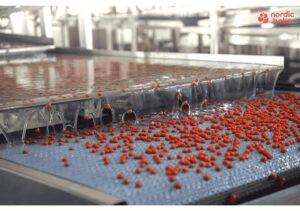
Quality control is huge. Each batch needs to have:
-
Consistent size and shape (nobody wants weird, deflated blobs in their tea)
-
A uniform membrane thickness (too thin = leaks; too thick = chewy, not popping)
-
Clean flavor profiles with no off-notes
Fun fact: good manufacturers run constant tests for pH balance, viscosity, and membrane durability. Some even do pop-resistance tests — literally measuring how much pressure each pearl can take before it bursts. Overkill? Maybe, but if you want reliable boba that holds up in a drink fridge or buffet station for hours, you’ll appreciate it.
How Long Does Popping Boba Last?
Time for keyword two: How long does popping boba last? The short answer: unopened, most popping boba has a shelf life of about 6–12 months, depending on the brand and storage conditions. Once you crack that seal, though, the clock starts ticking.
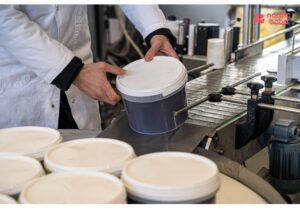
Here’s what professionals should keep in mind:
-
Unopened: Store in a cool, dry place. A pantry or storeroom shelf is fine — no need to refrigerate unless the label says so.
-
Opened: Once opened, popping boba should be refrigerated and ideally used within 1–2 weeks. Some brands give you up to 4 weeks, but quality drops fast after that.
-
Watch for signs: Cloudy syrup, odd smells, or flattened pearls mean it’s time to toss it. Don’t risk serving spoiled toppings — it’s not worth the food safety headache.
One thing that trips up new café owners is cross-contamination. If you’re scooping boba from a communal tub, always use clean utensils. Leaving the lid open for hours in a warm kitchen? Recipe for bacterial growth. Label opened tubs with the date, keep them sealed tight, and train your staff — it saves money and reputations.
How to Use Popping Boba in Your Business
Okay, let’s talk real-world use cases. Popping boba is way more versatile than people think. Sure, bubble tea is the obvious match, but creative brands find ways to work these tiny flavor bombs into all sorts of treats.
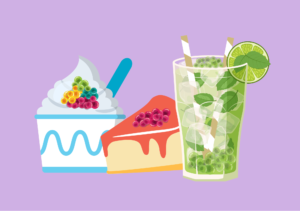
Frozen Yogurt Shops: Popping boba makes a perfect frozen yogurt topping. Mix different pearls to create a rainbow of colors – Colorful and tasy!
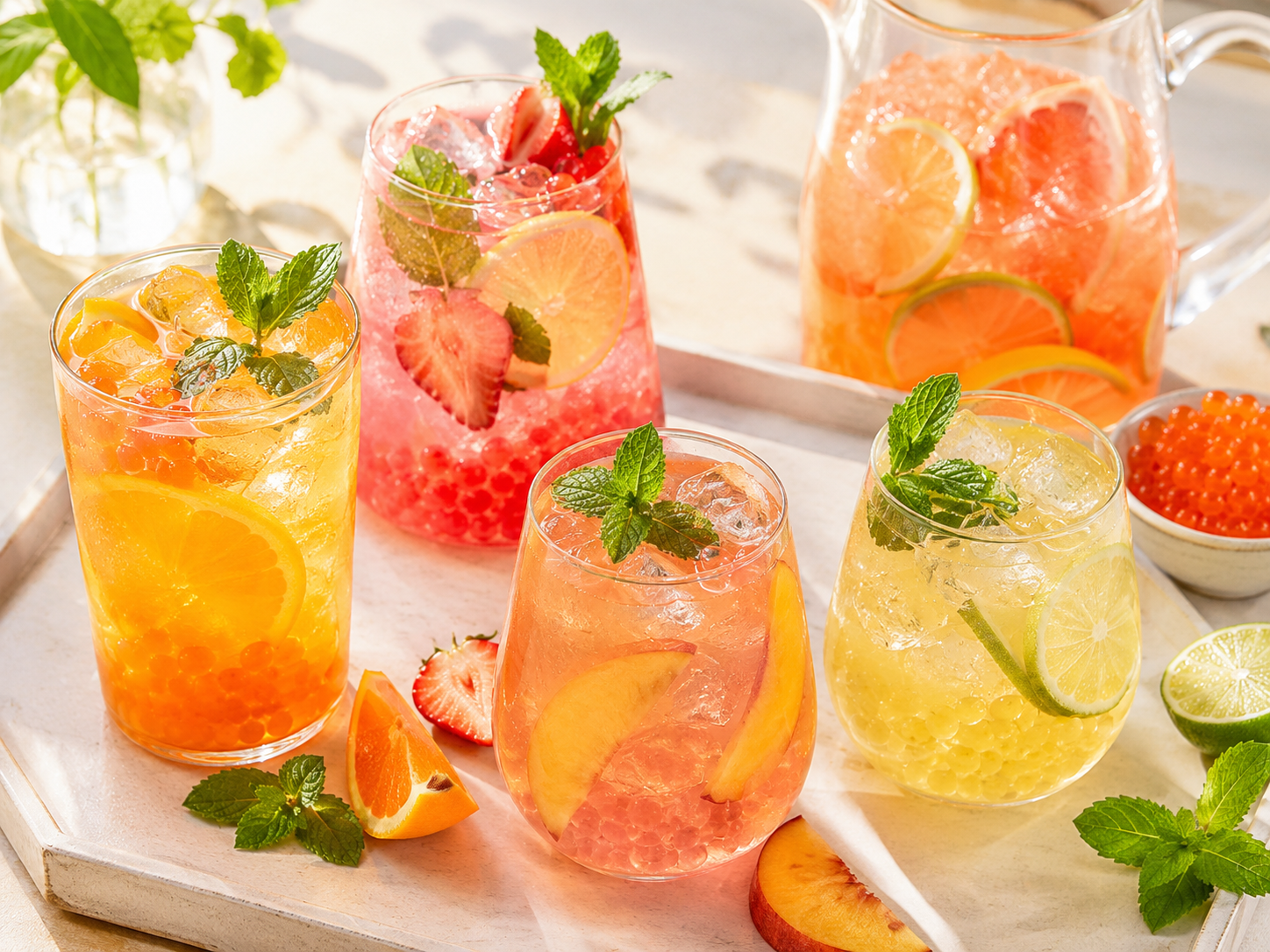
Cocktails & Mocktails: Want to impress the after-work crowd? Popping boba in a gin fizz or spritz adds playful texture — plus, they look amazing floating in a glass.
Dessert Plates: High-end restaurants sometimes add popping boba to panna cotta, sorbet, or fruit salads. It’s an easy wow factor.
Seasonal Menus: Think Halloween — pumpkin spice popping boba on a latte. Pride month — rainbow flavors for social buzz. St. Patrick’s Day? Lucky green apple pearls. You get the idea. Little seasonal tweaks can make your menu feel fresh without a massive overhaul.
Want a smart pairing trick? Match your popping boba flavor to your base drink’s flavor profile. Bright fruity pearls work well with green tea or lemonade bases. Creamy drinks like milk tea might need more subtle flavors, so you don’t overpower the dairy notes.
Bulk Buying, Sourcing & Quality Checks
If you’re serious about adding popping boba to your menu, sourcing is everything. Here’s what to look for:
✅ Ingredient Transparency: Get the full ingredients list — are they using natural colors? Real fruit juice?
✅ Certifications: Food safety is king. Look for suppliers with HACCP, FSSC22000, or other reputable certifications.
✅ Sample Testing: Always taste before you commit. A good supplier won’t mind sending samples.
✅ Consistency: Try the same flavor across different batches. Any big differences? That’s a red flag.
✅ Packaging: Does the packaging keep boba fresh during transit? Good seals matter.
Working with manufacturers like Nordic Boba means shorter supply chains for European businesses. Faster delivery, fresher stock, fewer customs headaches — practical perks that keep your operation smooth.
And don’t forget to run the numbers. Calculate how many servings you get per tub, factor in shrinkage, and always plan for seasonal demand spikes. Better to have a buffer than to run out mid-rush.
Keeping It Fresh: Storage and Handling Best Tips
Let’s circle back to shelf life for a sec — it’s worth repeating because mishandling can cost you real money.

Here’s the golden rule: Keep it sealed, keep it cool, keep it clean.
-
Use clean scoops or tongs; never hands.
-
Keep opened containers airtight — oxygen speeds spoilage.
-
Label everything with the date you opened it — and stick to your “first in, first out” rotation.
If you run self-serve topping bars, check them regularly. Customers sometimes cross-mix toppings or drop things in the wrong bin. Have staff refresh the bar every few hours — good hygiene is part of good branding.
Troubleshooting: Common Issues and FAQs
It happens — even the best popping boba can throw you a curveball. Let’s tackle some common head-scratchers:
-
Why is my popping boba leaking?
Usually, the membrane got punctured. Rough handling, temperature swings, or poor storage can do this. -
Can you freeze it?
Nope. Freezing wrecks the delicate membrane and turns pearls into mush. Keep them chilled but not frozen. -
Why does my boba feel chewy, not popping?
They’re probably old or the membrane’s too thick. If you bought in bulk, test small samples from new suppliers before going all in. -
Can you make popping boba at home?
Technically yes — but consistency is tricky. It’s fun for culinary experiments but unrealistic for high-volume service.
What’s Next for Popping Boba? Trends & Innovations
The bubble tea world never sleeps — and popping boba is constantly evolving. Here’s what to watch:
🍑 New Flavors: Think beyond classic fruits. Some brands experiment with floral notes like hibiscus or unusual twists like cola and pumpkin spice. Limited editions can help you ride trends without big investments.
🌱 Cleaner Labels: More consumers want natural coloring, no artificial preservatives, and real fruit juice bases. Brands that can deliver that without sacrificing shelf life will stand out.
♻️ Sustainability: From better packaging to reduced food waste during production, eco-conscious sourcing is increasingly on the radar for big buyers.
🤝 Cross-Industry Collaboration: Popping boba isn’t stuck in the bubble tea niche anymore. Breweries, snack brands, and even ice cream manufacturers see its potential. Keep your eyes peeled — or better yet, pitch your own wild combo.
Final Takeaway: Is Popping Boba Right for You?
So, is it worth the squeeze? Honestly, if you’re in the bubble tea or dessert game — or even considering a menu expansion — popping boba is one of those small touches that make a big difference. It’s playful, eye-catching, and surprisingly versatile.
Remember:
-
Know your popping boba ingredients — your customers care.
-
Store it properly — understand how long popping boba lasts.
-
Test your supplier — get reliable, consistent batches that deliver the pop.
And hey, experiment! Try new flavors. Play with seasonal offerings. Film that satisfying pop for your socials — your customers will love it.
FAQs
What is popping boba?
Popping boba is a fruit-flavored pearl with a liquid center and a thin, gel-like shell that bursts in your mouth. It’s popular in bubble tea, frozen yogurt, desserts, and cocktails.
What are popping boba ingredients?
They usually include a flavored juice or syrup, sodium alginate (from seaweed), calcium ions for spherification, water, and sometimes natural colors and sweeteners.
How long does popping boba last?
Unopened, popping boba can last 6–12 months in a cool, dry place. Once opened, refrigerate it and use within 1–2 weeks for best quality.
Is popping boba vegan?
Most popping boba is vegan since it uses plant-based gelling agents — but always check with your supplier.
Can you make popping boba at home?
Yes, on a small scale with sodium alginate and calcium lactate. But for food service, it’s much more efficient to buy professionally made boba.
The Last Word
Popping boba isn’t just a trendy topping — it’s a conversation starter, a sensory delight, and a tiny flavor bomb that keeps your customers coming back for that satisfying pop. And now you know everything you need to get started, stay fresh, and keep the flavor flowing.
You ready to make your menu pop? You know what — I think you are.