What is Bubble Tea?

So… What Is Bubble Tea, Really?
If you’ve walked past a bubble tea shop and wondered what on earth people are drinking out of those oversized cups with chubby straws and floating blobs, you’re not alone. For something that looks like a dessert, feels like a drink, and sounds like a party trick, bubble tea can seem… well, a little mysterious.
But here’s the thing: once you understand what it is, it makes perfect sense why bubble tea has taken the world by storm. It’s flexible, colorful, fun—and surprisingly strategic if you’re in the food and beverage business.
Let’s demystify it.
A Sip from Taiwan: Where It All Began
Bubble tea isn’t some passing TikTok trend. It’s been around since the 1980s, first created in Taiwan as a playful twist on traditional tea culture. Picture a traditional iced tea, maybe with a splash of milk, now toss in chewy tapioca pearls—round, springy spheres that sit at the bottom like edible marbles. People were intrigued. Kids loved it. And soon, it became a cultural staple.

From Taiwanese night markets, it spread to neighboring countries, then to North America in the ’90s, and now? Europe is catching on in a big way. Cities like Copenhagen, Berlin, and Amsterdam are seeing new bubble tea spots open every month.
It’s no longer just a drink—it’s a category.
Bubble Tea Explained: What’s in the Cup?
Okay, so what actually is bubble tea?
At its most basic, bubble tea (sometimes called boba tea) is a chilled tea-based drink that usually includes milk, sweetener, and a topping—most famously, tapioca pearls. But that’s just the starting point.
The beauty of bubble tea lies in its modular structure. Let’s break it down:
-
Base: This is typically a brewed tea—black, green, jasmine, oolong, or even something less traditional like rooibos or Earl Grey.
-
Milk (Optional): Cow’s milk, oat, soy, almond, coconut… if it’s creamy, it works. Milk adds smoothness and helps carry flavors.
-
Sweetener: Syrups (honey, sugar, brown sugar, agave), sometimes fruit juice, depending on the style.
-
Toppings: Here’s where it gets fun. Traditional tapioca pearls, fruit-flavored popping boba, chewy jellies, fresh fruit, or even pudding.
-
Ice (Optional): Many people prefer their bubble tea ice-cold, but warm versions do exist—especially during colder months.
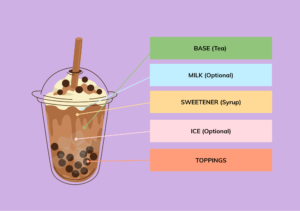
In short, it’s a customizable tea-based drink that can be as refreshing or indulgent as you want it to be.
More Than Just a Drink: Bubble Tea as a Snack
One reason bubble tea feels so different from, say, iced coffee, is because it’s interactive. You don’t just sip it—you chew it. That textural contrast is part of what makes it addictive.
Think of it as a drink that doubles as a snack. The pearls—or boba—give you something to bite down on. And when you’re using popping boba, it’s even more dramatic: a sudden burst of fruity juice in every bite-sized orb. It’s almost like the drink is participating in the conversation.
There’s something tactile, almost nostalgic, about it. You’re not just sipping a beverage—you’re engaging with it.
Types of Bubble Tea: It’s Not One-Size-Fits-All
So let’s talk categories. When people say “bubble tea,” they might mean any number of variations.
Here are the broad families:
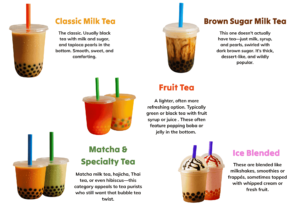
Each style has its own personality, and depending on the topping you choose—chewy, juicy, or jelly-like—you can transform the entire experience.
Let’s Talk Toppings: Not Just Pearls
Tapioca pearls may have kicked things off, but the topping scene has seriously expanded.

- Tapioca Pearls: These chewy balls are made from cassava starch. They’re neutral in flavor, typically sweetened with brown sugar syrup. Think gummy bears, but rounder and more resilient.
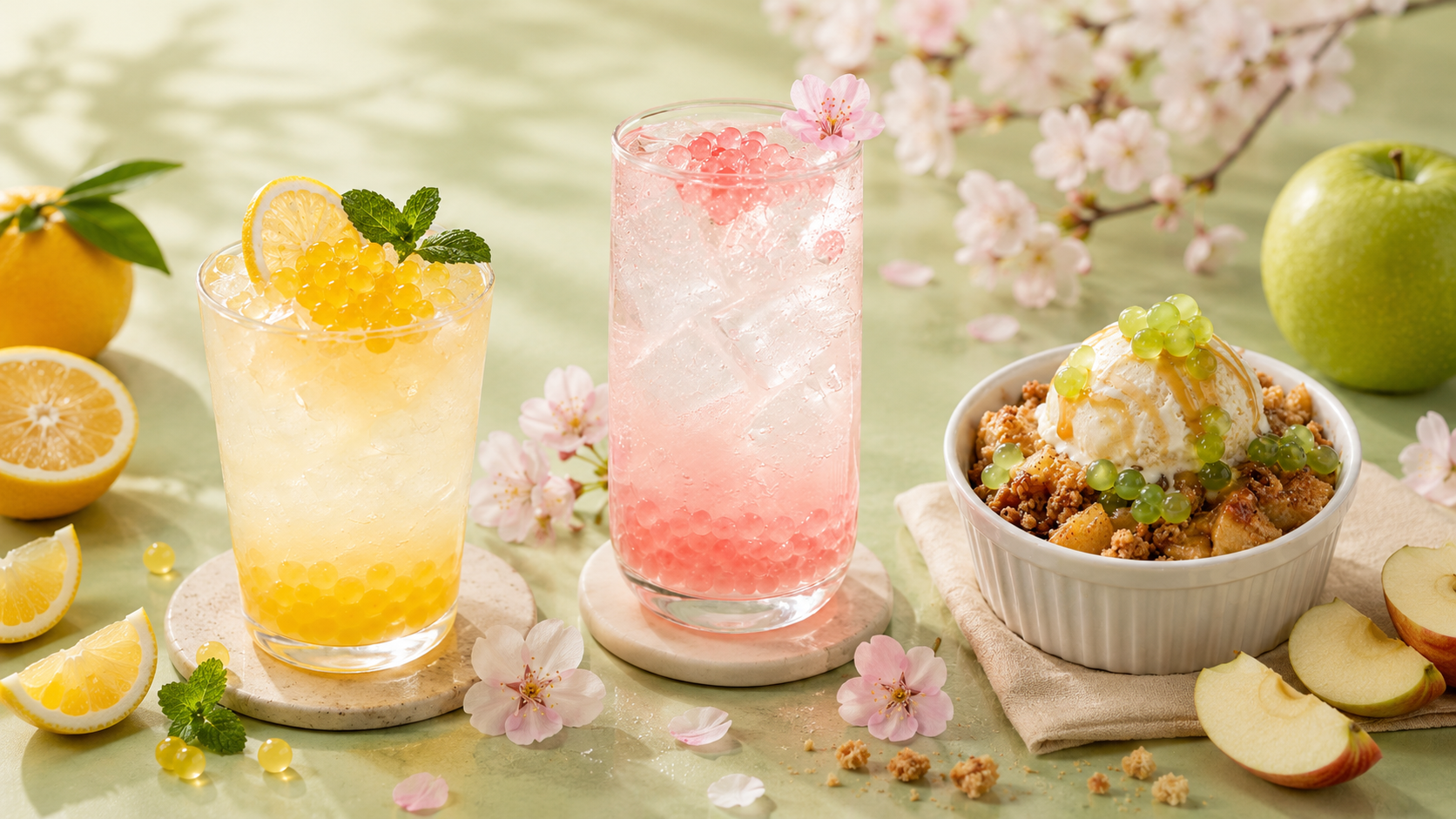
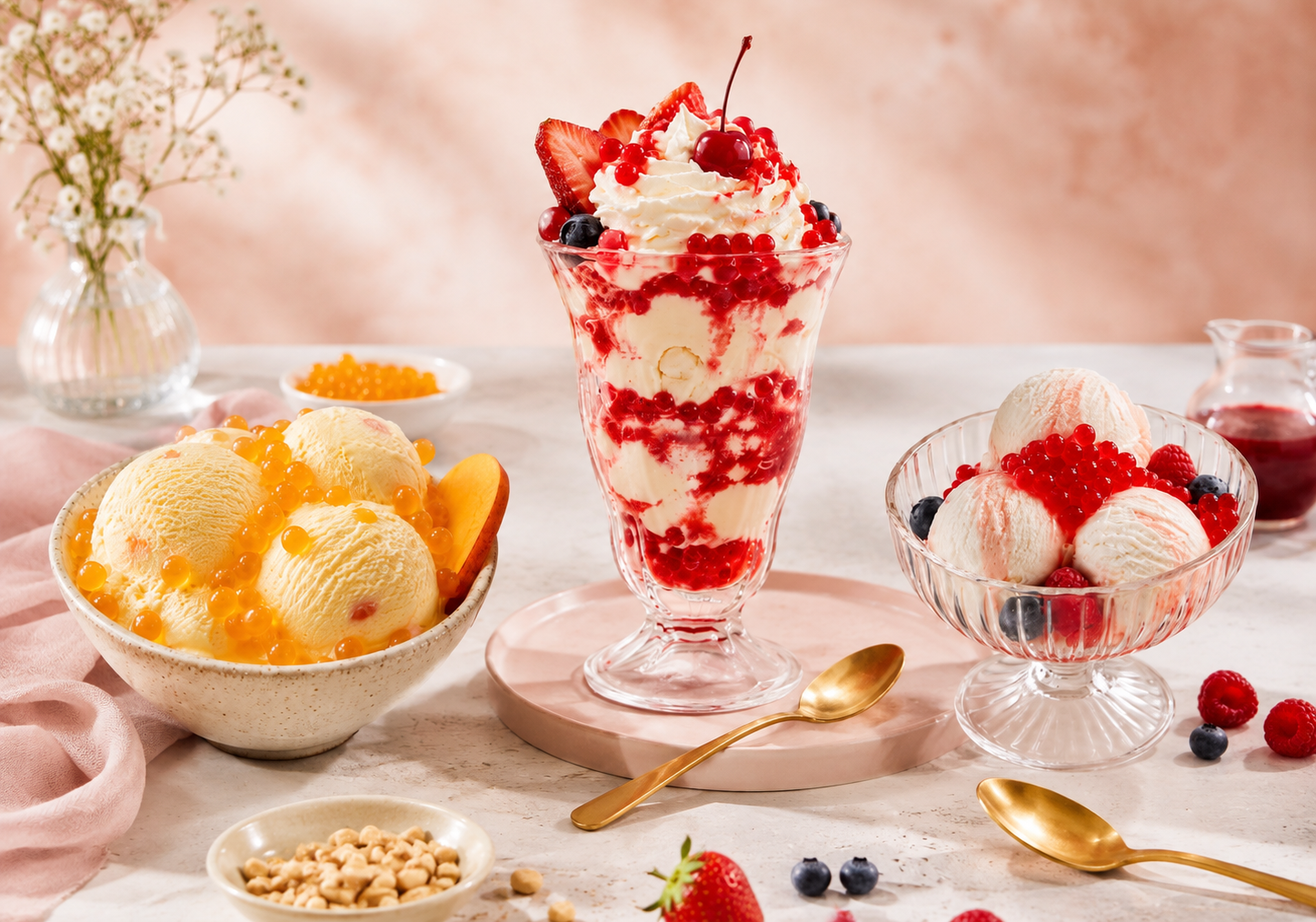
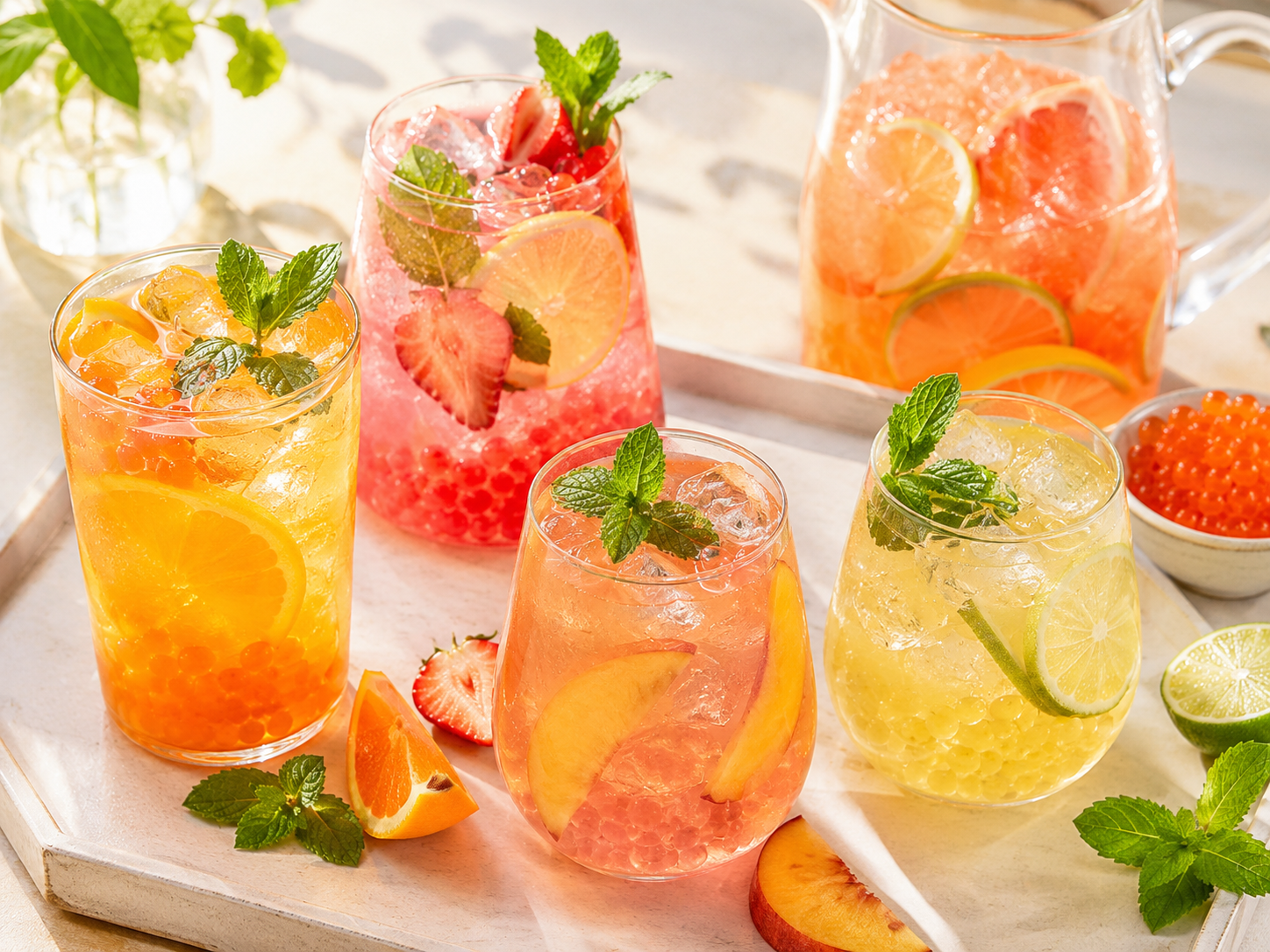
- Popping Boba: These are a newer addition—and a completely different vibe. Instead of chewiness, popping boba offers a delicate outer skin and a liquid center that bursts in your mouth. Usually fruit-flavored (like lychee, passionfruit, or strawberry), they’re especially popular in Europe where taste trends lean toward refreshing and fruity rather than overly sweet.
- Jelly Cubes: Flavored with coconut, grass jelly, or aloe—these add a soft texture and subtle flavor. Great for those who don’t love chewiness or popping surprises.
The toppings aren’t just for fun. They’re a way to personalize the drink, add value, and create a multisensory experience that keeps people coming back.
Bubble Tea’s Customization Culture
One of bubble tea’s key selling points—especially for café owners—is how customizable it is. Customers get to choose:
-
Tea type
-
Milk or non-dairy option
-
Sugar level (from 0% to full-sweet)
-
Ice level
-
Topping(s)
It’s not just personalization—it’s empowerment. People feel more ownership over their order. And when you give people agency over their food, they tend to return for more.
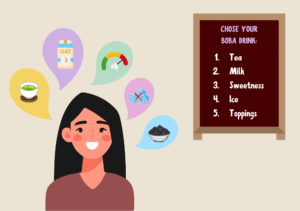
From a business perspective, this is gold. You’re not just selling a product. You’re offering an experience.
Bubble Tea in the Professional Space: Why It’s Worth Knowing
Let’s shift gears for a second.
If you’re a café owner, a food entrepreneur, or just curious about where beverages are headed—bubble tea is worth your attention. Why?
Because it’s:
-
Highly Instagrammable – That’s free marketing right there.
-
Flexible for menus – Can be easily adapted to seasons or local preferences.
-
Quick to prepare – Once you’ve got the workflow down, it’s efficient.
-
Customizable at scale – Base + topping = lots of mix-and-match options without reinventing the kitchen.
It’s also a smart entry point into functional drinks (like collagen teas or vitamin-boosted blends), which are trending hard in wellness-forward markets.
Bubble Tea in the Nordics: A Cultural Fit?
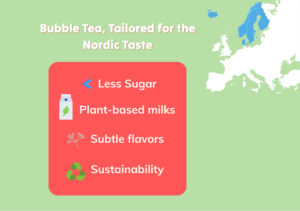
Now, if you’re based in Northern Europe, you might wonder how bubble tea fits into the local scene. Isn’t it too sweet? Too gimmicky?
Not really. In fact, it blends surprisingly well with local sensibilities.
-
Less sugar? That’s common in Nordic-style bubble tea—most cafés default to 50% or 30% sweetness.
-
Plant-based milks? Oat and soy milk are practically the norm.
-
Subtle flavors? Scandinavian-inspired blends like elderflower green tea or blueberry rooibos are making their way into menus.
-
Sustainability? Many vendors use biodegradable cups, paper straws, and ethically sourced ingredients.
Common Questions People Still Ask:
Let’s clear up a few myths and FAQs:
Is bubble tea just for kids?
Nope. Plenty of adults drink it—especially the fruit-based or unsweetened versions. It’s a flavor-flexible format.
Is it always super sweet?
Only if you want it to be. Most shops let you control the sugar level.
Is it vegan-friendly?
Often, yes—especially if you’re using plant-based milk and popping boba, which is usually gelatin-free.
Is popping boba the same as regular boba?
Not at all. Popping boba is juicy, not chewy. It’s a burst—not a bite.
Is it hard to make in-house?
With the right tools and ingredients? Not really. Most toppings are plug-and-play, and there are plenty of suppliers who can support small-batch operations.
Looking Ahead: Bubble Tea Isn’t Slowing Down
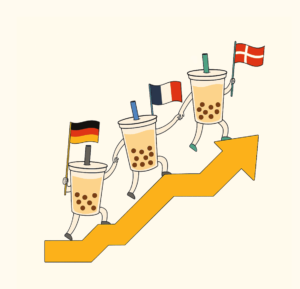
In Europe, the bubble tea market is showing no signs of slowing down. A 2024 report by Persistence Market Research estimated the market at approximately €575 million in 2024, with projections reaching over €1 billion by 2031. As cities like Berlin, Paris, and Copenhagen continue embracing bubble tea culture, it’s quickly becoming a staple rather than a novelty.
One trend that’s catching fire? Regional fusion. Think lingonberry popping boba in a green tea base. Or rhubarb milk tea with cardamom jelly. If it suits local tastes and can be sipped through a straw, it’s a solid option.
Final Thoughts: A Drink That Keeps You Curious
Bubble tea isn’t a one-off experience. It’s the kind of thing that gets better the more you explore it. Whether you’re a curious customer or a professional looking to expand your drink menu, bubble tea offers something most drinks don’t: room to play.
No two cups have to be the same. And that’s exactly why people love it.
If you’re ready to bring bubble tea into your business—or just want to understand what all the fuss is about—remember this: It’s not just about the pearls or the tea. It’s about giving people a drink that feels like theirs.
And that, honestly, never goes out of style.